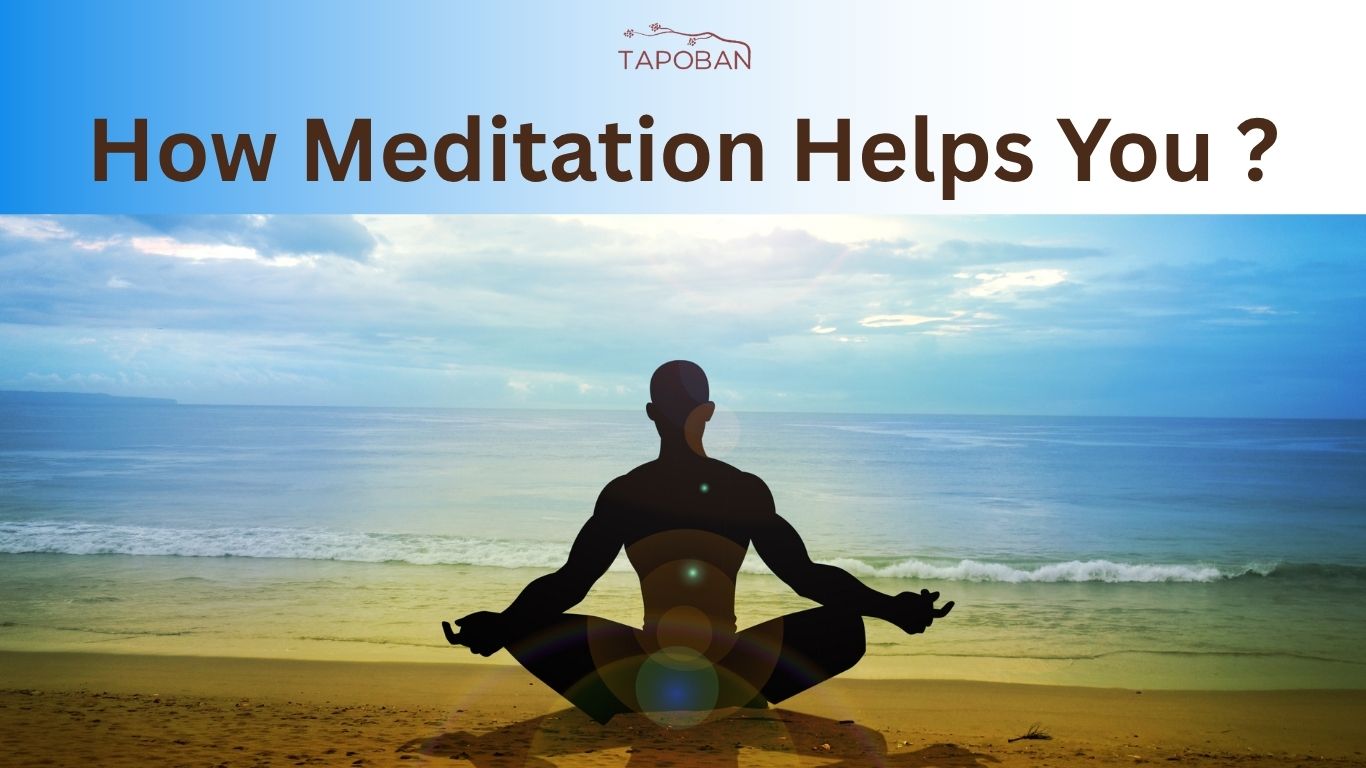
In a world buzzing with endless notifications, responsibilities, and stress, peace of mind feels like a luxury. But what if you could tap into that calm—every single day? This is where meditation comes in. Whether you’re new to it or already practice, understanding how meditation helps you can transform your health, relationships, and overall quality of life.
In this comprehensive guide, we’ll explore the physical, mental, emotional, and spiritual benefits of meditation, how to get started, and why it might just be the most important habit you ever build.
What is Meditation?
Meditation is a mental practice that involves focusing your mind and eliminating distractions to reach a state of awareness, clarity, and inner peace. It has roots in ancient spiritual traditions but is now widely practiced for wellness and mental health benefits across cultures and religions.
It’s not about controlling your thoughts—it’s about not letting your thoughts control you. This is where mindfulness plays a crucial role: learning to observe without reacting.
Mental Benefits: Sharper Focus, Less Stress
One of the most immediate effects of meditation is its power to calm the mind. With regular practice and a touch of mindfulness, it becomes easier to let go of anxiety, overthinking, and negative thoughts.
Reduces Stress
Studies show that meditation lowers cortisol—the stress hormone. With just 10–20 minutes of mindfulness or other meditative practices daily, people report fewer feelings of overwhelm and more emotional stability.
Improves Focus and Attention
Ever find it hard to stay focused on one task? Mindfulness meditation trains your brain to concentrate better, reducing mental distractions. Many professionals use it as a productivity tool.
Decreases Anxiety and Worry
Whether it’s social anxiety, health anxiety, or general fear, meditation with a mindfulness approach helps regulate the nervous system and offers a sense of control over your emotions.
Emotional Benefits: Stronger, Kinder, Happier
Meditation isn’t just for relaxing—it builds emotional resilience and helps you respond to life’s challenges with calmness and clarity.
Enhances Self-Awareness
With practices like mindfulness and loving-kindness meditation, you begin to observe your habits, triggers, and patterns. This self-awareness leads to healthier emotional choices.
Improves Mood
Regular meditation and mindfulness are linked to increased serotonin production, which improves mood and reduces symptoms of depression.
Promotes Emotional Healing
People struggling with grief, trauma, or emotional wounds often find healing through stillness and mindfulness—gently processing their pain in a safe, quiet space.
Physical Benefits: A Healthier Body
Surprisingly, the benefits of meditation show up in your body as well.
Lowers Blood Pressure
Through relaxation and mindfulness breathing techniques, meditation reduces blood pressure, lowering the risk of heart-related issues.
Enhances Sleep Quality
By calming the nervous system, mindfulness-based practices improve sleep—especially for those who suffer from insomnia or irregular sleep patterns.
Strengthens Immunity
Stress weakens your immune system, but meditation, especially when rooted in mindfulness, helps strengthen it by reducing inflammation and promoting overall physical wellness.
Spiritual Benefits: Inner Connection and Peace
You don’t need to follow a religion to enjoy the spiritual side of meditation. Spirituality here means connecting with your deeper self through mindfulness and presence.
Creates a Sense of Purpose
Mindfulness in meditation helps people find meaning and purpose, even in the middle of life’s chaos. It opens the door to inner guidance.
Deepens Compassion
Practices like loving-kindness and mindfulness meditation increase empathy and understanding toward others, fostering better relationships.
Cultivates Inner Peace
The greatest gift of meditation is that it teaches you how to be at peace—with yourself, with others, and with the world—through consistent mindfulness.
How to Start Meditating (Even If You’re a Beginner)
Many people think they “can’t meditate” because their mind wanders. But here’s a secret: everyone’s mind wanders. Mindfulness teaches us not to fight that, but to watch without judgment.
Step 1: Find a Comfortable Position
You can sit on a cushion, a chair, or lie down. Keep your spine straight and your body relaxed.
Step 2: Focus on Your Breath
Breathe naturally. Pay attention to the rise and fall of your breath—a classic mindfulness anchor. If your mind wanders, gently return to the breath.
Step 3: Start Small
Begin with just 5 minutes a day and gradually increase. Mindfulness is built through consistency, not long hours.
Optional: Use a Guided Meditation
Apps like Headspace, Insight Timer, or YouTube offer thousands of free mindfulness-based meditations that make it easier to begin.
Science Behind Meditation
Numerous scientific studies back up how meditation helps you:
- Harvard University found that 8 weeks of mindfulness meditation increased gray matter in areas related to memory and emotion regulation.
- Johns Hopkins University reviewed 47 studies and concluded that meditation reduces symptoms of anxiety, depression, and pain.
- Stanford University research shows that mindfulness can improve attention span in just 2 weeks.
Types of Meditation You Can Try
- Mindfulness Meditation – Observing thoughts and feelings without judgment.
- Loving-Kindness Meditation – Cultivating compassion and love for self and others.
- Body Scan Meditation – Using mindfulness to observe physical sensations in the body.
- Transcendental Meditation – Using a mantra to quiet the mind.
- Walking Meditation – Meditating while slowly walking and focusing on each step.
Each type offers unique benefits, and you can explore what works best for your needs. Mindfulness is often the foundation across all styles.
Common Myths About Meditation
Let’s clear up some common misconceptions:
- “I don’t have time.” Even 5 minutes of mindfulness can make a difference.
- “I can’t stop thinking.” You don’t need to—just notice your thoughts with mindfulness, without getting attached.
- “I need a quiet space.” With practice, mindfulness allows you to meditate anywhere—even in chaos.
Frequently Asked Questions
Is meditation a religious practice?
While it has roots in spiritual traditions, meditation and mindfulness can be practiced by anyone—regardless of religion or belief.
How long before I see benefits?
Some people feel calmer after just one session, while deeper benefits often show up after a few weeks of consistent mindfulness practice.
Can children meditate?
Yes. In fact, many schools are introducing mindfulness practices to help students improve focus and emotional well-being.
Final Thoughts: Make Meditation Your Daily Anchor
The world won’t slow down, but you can. Meditation is the anchor in the storm, the stillness in the chaos, and the breath of clarity you’ve been looking for. With the addition of mindfulness, you not only gain focus but also awareness and deep peace.
Whether you want to improve your mental health, deepen your spiritual practice, or simply breathe better during stressful days, meditation helps you become the calm in your own storm.
Want to Experience Meditation in Nepal?
If you’re looking for a peaceful retreat or guided sessions, consider visiting Tapoban, a spiritual meditation center in the hills of Kathmandu. Under the guidance of Swami Anand Arun, Tapoban offers powerful mindfulness-oriented programs for inner healing and self-discovery.