Nepal, known worldwide for its majestic mountains and vibrant culture, is more than just a destination for trekkers and adventure seekers. It is a serene country where spiritual traditions, natural beauty, and peaceful lifestyles meet, making it one of the best places in the world to practice meditation.
Beyond the hustle of modern life, Nepal offers spaces where you can slow down, reconnect with yourself, and find calmness amidst breathtaking surroundings. From the tranquil monasteries of Kathmandu Valley to the sacred gardens of Lumbini and the peaceful lakes of Pokhara, this country invites you to explore meditation as both a personal practice and a spiritual journey.
Why Nepal is an Ideal Place for Meditation
While meditation is practiced worldwide, Nepal offers a rare combination of natural tranquility and cultural depth that few destinations can match. Here’s why this Himalayan nation stands out:
1. Spiritual Roots and Authenticity
Nepal is the birthplace of Lord Buddha, whose teachings on mindfulness, compassion, and self-realization still guide millions today. Buddhist monasteries and Hindu ashrams across the country continue to uphold these teachings, welcoming anyone who seeks to learn or deepen their meditation practice.
2. Nature as a Silent Teacher
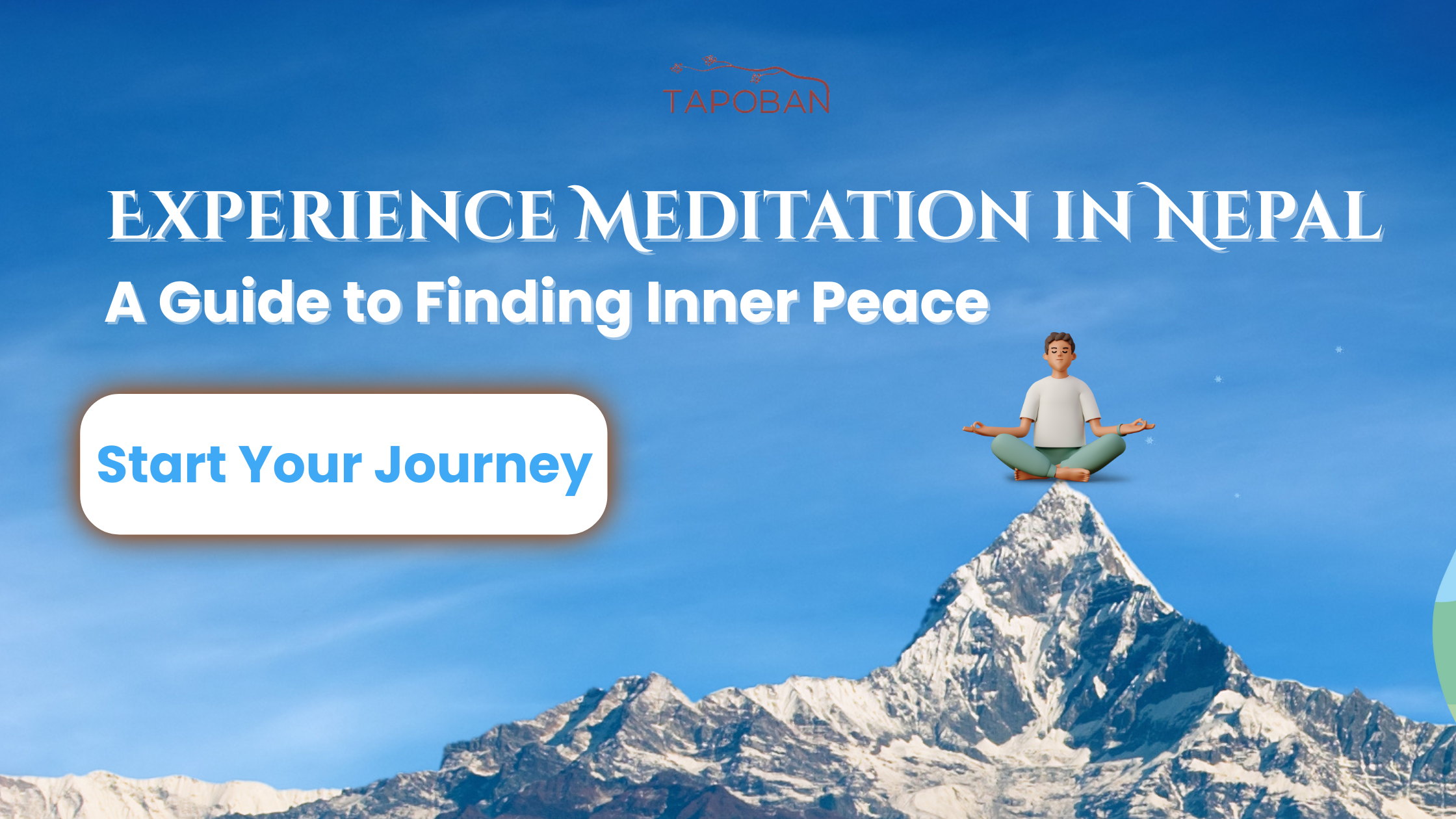
The landscapes of Nepal themselves inspire peace. Snow-capped peaks, verdant hills, flowing rivers, and serene lakes create a calming backdrop for inner reflection. Meditation feels natural here because the environment itself encourages stillness.
3. Programs for Every Level
Nepal offers a wide range of meditation programs, from short workshops for beginners to intensive retreats like Vipassana. Whether you want to dip your toes into mindfulness or commit to a silent, transformative experience, there is a program for you.
4. Affordable and Accessible Opportunities
Unlike retreats in many other countries, meditation programs in Nepal are affordable. Most include accommodation, nutritious meals, and expert guidance, allowing travelers to experience authentic teachings without excessive cost.
5. Welcoming Culture
Nepali culture is known for its hospitality and respect for spiritual practices. Whether you join a monastery, a retreat, or simply practice on your own, you will find support and understanding everywhere you go.
Different Types of Meditation in Nepal
Nepal offers a rich diversity of meditation practices, each suited to different preferences and goals. Here are some of the most common approaches you can explore:
Vipassana Meditation
Vipassana, often offered as a 10-day silent retreat, is one of the most powerful practices for self-awareness. Participants observe their breath, thoughts, and bodily sensations without reacting, leading to deep mental clarity and emotional balance.
Mindfulness Meditation
Rooted in Buddhist traditions, mindfulness involves observing the present moment—your thoughts, emotions, and environment—with full awareness. It’s an accessible practice that can reduce stress and improve focus, making it ideal for beginners.
Yoga and Meditation Retreats
Many retreat centers combine yoga with meditation, offering a holistic experience for the mind and body. These programs typically include daily yoga sessions, breathing exercises (pranayama), and guided meditations.
Mantra and Chanting Practices
In monasteries across Nepal, you can participate in chanting and mantra-based meditation. Repeating sacred sounds helps calm the mind and cultivate spiritual energy.
Nature-Based Meditation
Some retreats, particularly in the Himalayas or near lakes, encourage silent contemplation in nature. The peaceful surroundings help deepen focus and connection with the environment.
Where to Meditate in Nepal
Though the entire country radiates peace, some places are particularly known for their meditation-friendly atmosphere.
Kathmandu Valley
Kathmandu Valley is the cultural and spiritual heart of Nepal, filled with monasteries, yoga studios, and meditation centers. Places like Boudhanath and Pharping are especially peaceful. Tapoban, located in the hills outside the busy city, is one such center where you can experience guided meditation programs in a natural, serene environment.
Pokhara
Famous for its calm lakes and views of the Annapurna range, Pokhara offers a blend of relaxation and spiritual exploration. Many retreats here combine meditation with light trekking, yoga, and mindfulness practices.
Lumbini
As the birthplace of Buddha, Lumbini carries immense spiritual energy. Its gardens and monasteries are perfect for reflection and learning Buddhist-inspired meditation techniques.
Himalayan Retreats
For those seeking complete solitude, there are retreats in remote mountain areas where participants spend days or weeks in silence. These programs are ideal for deep self-reflection and spiritual immersion.
Planning Your Meditation Journey in Nepal
If you are considering Nepal for meditation, a little preparation will help make your experience meaningful and stress-free.
- Define Your Purpose
Are you seeking relaxation, spiritual growth, or personal transformation? Your goal will help you choose the right center or program. - Choose the Type and Duration of Retreat
Short retreats (1–3 days) are ideal for beginners, while longer ones (10 days or more) suit those ready for deeper immersion. - Pick Your Ideal Location
Decide whether you prefer the energy of Kathmandu, the calm of Pokhara, the sacred aura of Lumbini, or the isolation of the mountains. - Understand the Rules
Many meditation retreats observe silence, vegetarian meals, and specific daily routines. Being prepared for this ensures a smoother experience. - Pack Mindfully
Bring loose, comfortable clothing, warm layers for mornings and evenings, and a journal for reflecting on your journey.
What You Can Gain from Meditation in Nepal
Meditation in Nepal is more than just a temporary escape; it offers lasting benefits for the mind, body, and soul:
- Relief from Stress and Anxiety – The peaceful surroundings and guided practices help calm the mind.
- Greater Clarity and Focus – Time away from distractions allows you to reconnect with yourself.
- Spiritual Growth – Being in a land with deep-rooted traditions inspires a deeper understanding of mindfulness and inner peace.
- Physical Well-being – Retreats often promote healthy diets and yoga, improving overall wellness.
- Cultural Connection – Practicing in Nepal allows you to experience local traditions and hospitality firsthand.
FAQs: Meditation in Nepal
- Can beginners practice meditation in Nepal?
Yes. Nepal has many beginner-friendly programs where experienced teachers guide you through simple breathing and mindfulness practices. - Are meditation retreats in Nepal expensive?
No. Most retreats are reasonably priced and include meals, lodging, and instruction, making Nepal one of the most affordable places for authentic spiritual experiences. - How long are meditation retreats in Nepal?
Retreats range from single-day programs to 10-day Vipassana courses and even month-long immersions, depending on your preference. - Do I need to join a retreat to meditate in Nepal?
Not at all. While guided retreats are valuable, the serene landscapes of Nepal make it easy to practice meditation on your own. - Why consider centers like Tapoban?
Tapoban and similar centers provide structured programs in natural settings, offering guidance for those who want to deepen their practice in a peaceful environment.
Final Thoughts: Why You Should Experience Meditation in Nepal
Nepal is more than a travel destination—it is a place where the mind finds stillness and the soul feels at home. Surrounded by the Himalayas, steeped in spiritual history, and supported by a culture of peace, this country offers the perfect setting to reconnect with yourself.
Whether you sit quietly in a monastery near Kathmandu, meditate by Pokhara’s lakes, or spend days in silence in the Himalayas, experiencing meditation in Nepal can transform how you see yourself and the world.
If you’re seeking balance, clarity, or spiritual renewal, Nepal is where your journey begins.