Introduction: A Spiritual Journey Begins in the Himalayas
In today’s fast-paced world, more people are searching for meaning, balance, and serenity. Amid the chaos of modern life, meditation has emerged as a beacon of hope—a tool to reconnect with oneself and return to inner silence. While meditation can be practiced anywhere, there’s something extraordinary about doing it in the serene, majestic mountains of Nepal.
Meditation in Nepal offers a rare combination of spiritual depth, natural tranquility, and cultural richness. With its high peaks, sacred rivers, ancient monasteries, and deeply meditative culture, Tapoban has become a world-renowned destination for those on the path of self-realization.\
Why Nepal? The Birthplace of Spiritual Awakening
Nepal is more than just a land of mountains—it is a sacred land where spirituality breathes through every tree, stone, and temple. This is the land where Lord Buddha was born, and where yogis have practiced austerity and meditation for thousands of years. Meditation in Nepal is not merely a practice; it’s a way of life inspired by generations of seekers.
Here, you won’t just find techniques; you’ll experience a living, breathing tradition that combines Buddhist, Hindu, and yogic paths in perfect harmony. Whether you’re taking your first step or walking an ancient path, the soul-stirring stillness of Nepal invites you to journey deeper within.
The Power of Meditating in the Mountains
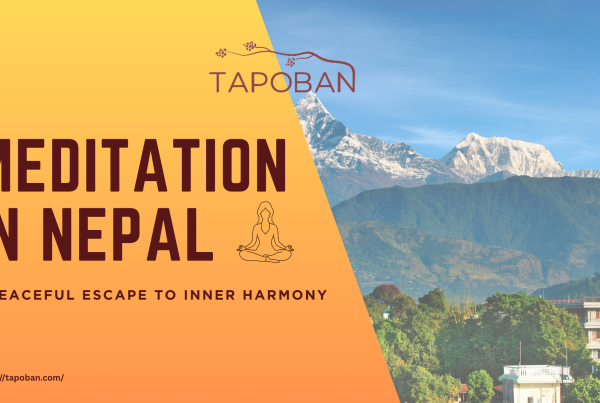
Why choose to experience meditation in the mountains of Nepal? The answer lies in the atmosphere itself. The crisp Himalayan air, the silence of the forests, and the rhythm of nature awaken something dormant within. In high altitudes, the distractions of city life fall away, allowing a natural state of mindfulness to arise.
Many practitioners report that meditation in Nepal feels more profound—more alive—when surrounded by the immense stillness of the Himalayas. The mountains serve as silent guides, inviting you to mirror their stillness and depth within yourself.
Osho Tapoban: A Himalayan Sanctuary for Modern Seekers
If you are looking for a structured, safe, and vibrant place to meditate in Nepal, Osho Tapoban is one of the most renowned spiritual communes in the country. Located on the forested hills of Nagarjun, just outside Kathmandu, Tapoban is not just a meditation center—it’s a living laboratory of consciousness.
Here, hundreds of seekers from all around the world come to experience meditation in Nepal through Osho’s dynamic techniques, mindfulness retreats, and silent camps. The commune offers daily meditation sessions, yoga, discourses, and a serene environment that makes it easy to go inward.
Unlike traditional monastic approaches, Osho’s vision is inclusive of both inner and outer life. He encourages meditation to be part of a joyful, celebrative lifestyle. Tapoban embodies that vision with beautiful gardens, eco-friendly facilities, and a deeply loving community of fellow travelers.
Types of Meditation in Nepal: From Silent Retreats to Active Techniques
Tapoban offers a wide range of meditation practices, suitable for beginners and advanced seekers alike. At places like Osho Tapoban and other centers across the country, you can explore:
- Dynamic Meditation: A powerful method for releasing pent-up emotions and entering silence.
- Vipassana: The ancient Buddhist practice of insight and awareness.
- Kundalini Meditation: Awaken your inner energy through shaking and stillness.
- Silent Retreats: Extended periods of inner silence for deep self-reflection.
- Walking and Nature Meditations: Tune into the breath and body while walking in the forest or along mountain trails.
These diverse forms make meditation in Nepal a rich and multidimensional experience.
The Benefits of Meditation in Nepal’s Natural Environment
There are countless benefits to practicing meditation anywhere—but meditation in Nepal offers a unique acceleration of those benefits due to its natural and spiritual setting. Some key advantages include:
- Deeper concentration due to the peaceful mountain surroundings
- Faster stress relief thanks to the clean air and slow pace of life
- Profound spiritual experiences in sacred locations like Lumbini or Nagarjun hills
- Physical rejuvenation through hiking, clean vegetarian food, and yogic lifestyle
- Emotional release supported by powerful techniques like Dynamic Meditation
Many travelers report returning home with a renewed sense of purpose, inner peace, and clarity after just a few days of meditation in Nepal.
Meditation in Nepal as a Lifestyle, Not a Weekend Escape
For many, Nepal is not just a place to visit—it becomes a second home for the soul. Once you experience the depth of meditation in Nepal, you realize that it’s more than a temporary retreat. It’s an invitation to live differently.
In the mountains of Nepal, life slows down. People greet each other with a smile. There’s time to reflect, to feel, to heal. Meditation becomes a lifestyle—something woven into daily life, not something reserved for a quiet room.
The monks and meditators you meet here often speak very little, but their presence is filled with energy, grace, and compassion. This is the silent teaching of Nepal—where meditation is not a goal, but a way of being.
How to Prepare for a Meditation Trip to Nepal
If you’re planning a trip to experience meditation in the mountains of Nepal, here are some useful tips:
- Plan your visit during spring (March–May) or autumn (September–November), when Nepal’s weather is calm, skies are clear, and the mountains feel most alive.
- Pack mindfully: Light clothing, warm layers for the evenings, a journal, and perhaps a meditation cushion.
- Stay open: Come with no expectations—let the journey unfold naturally.
- Respect the culture: Nepal’s spiritual roots run deep, and honoring its traditions enriches your journey.
- Stay longer if possible: A few days may feel like a dip in the ocean. A longer stay allows real transformation.
Finding Your Path: Everyone’s Meditation in Nepal Is Unique
No two journeys are the same. Some come to Nepal after burnout; others are simply curious. Some seek enlightenment; others just want peace of mind. Whatever your reason, meditation in Nepal offers something personal and sacred.
You may find yourself transformed by a silent walk at sunrise. You may cry during a cathartic meditation. Or you may simply sit under a Bodhi tree and smile, doing nothing. The beauty of meditation in Nepal is that it accepts you as you are—and leads you inward, step by step.
Final Thoughts: Come, Sit, and Discover Yourself
In the end, the outer journey to the Himalayas is only a reflection of the inner journey. When you sit silently among the mountains, you begin to hear your own heart more clearly. And that is the essence of meditation in Nepal—not escape, but deep encounter with life.
So if your soul is longing for peace, if your mind is tired of noise, and if your heart is ready to listen again—then come. The mountains are calling. And meditation is waiting.
Frequently Asked Questions About Meditation in Nepal
1. Why is Nepal considered a special place for meditation?
Nepal is the birthplace of Lord Buddha and home to ancient yogic and tantric traditions. Its peaceful Himalayan environment and spiritual culture make it a natural destination for deep and transformative meditation experiences.
2. Is meditation in Nepal suitable for beginners?
Absolutely. Many centers in Nepal, like Osho Tapoban, offer beginner-friendly meditation programs that introduce techniques like mindfulness, breathwork, and Osho’s active meditations. No prior experience is needed.
3. What time of year offers the most tranquil setting for meditation in Nepal?
The best time for meditation in mountains is during spring (March–May) and autumn (September–November). The weather is pleasant, the skies are clear, and the mountain energy is especially vibrant during these seasons.
4. What should I bring for a meditation retreat in the mountains of Nepal?
Pack comfortable clothing, a mindfulness shawl, light jacket (for cooler evenings), personal toiletries, a journal, and an open heart. Most centers provide mats and cushions, but you can bring your own if you prefer.
5. Can I combine trekking with meditation in Nepal?
Yes! Many visitors combine trekking and meditation. Some retreats even include walking meditations along mountain trails, combining physical movement with spiritual awareness.
6. Are there short-term meditation programs in Nepal?
Yes. You can join short 3-day, 7-day, or weekend retreats at places like Osho Tapoban or other spiritual centers across the country. Longer intensive programs are also available for those seeking deeper immersion.
7. How do I register for a meditation retreat at Osho Tapoban?
You can register directly through the Tapoban.com website. Browse the upcoming events, fill out the registration form, and follow the provided instructions. To ensure your spot—especially in high-demand seasons—it’s wise to book in advance.
8. Is it expensive to attend a meditation retreat in Nepal?
Compared to Western countries, Innerpeace is very affordable. Many retreats include food, lodging, and full-day programs at reasonable rates, making it accessible to most travelers.
9. What types of meditation are taught in Nepal?
You can explore various styles including:
- Vipassana meditation
- Osho dynamic meditation
- Kundalini and chakra-based meditations
- Silent retreats
- Walking and nature-based mindfulness practices
10. Is it safe to travel alone to Nepal for meditation?
Yes, Nepal is known for its warmth and hospitality, making it a comforting destination for solo travelers. The spiritual community is supportive, and many solo visitors find deep connections through shared retreats and practices.
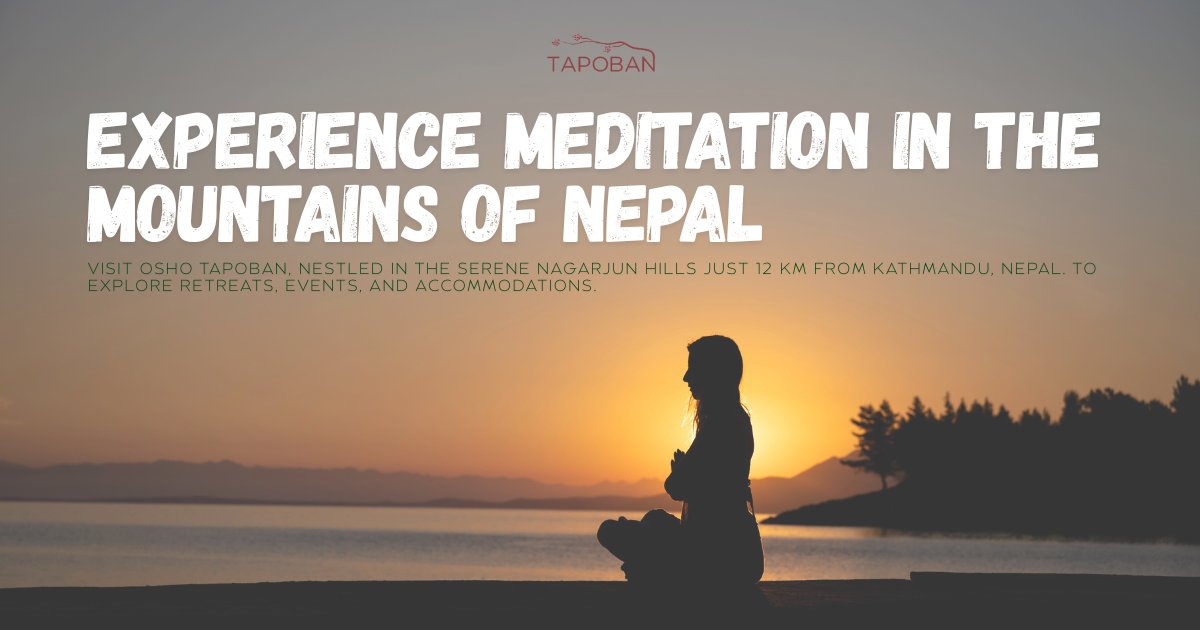
Visit Osho Tapoban, nestled in the serene Nagarjun hills just 12 km from Kathmandu, Nepal. To explore retreats, events, and accommodations, visit https://tapoban.com.